
You've done the research. You've found the breeder or rescue. You've picked up the collar, the bed, the food, and probably a toy that cost more than your lunch. You're ready.
Except the purchase price is the smallest number you'll see this year.
The costs that catch most families off guard aren't the obvious ones, they're the ongoing, accumulating expenses that nobody mentions until you're already in it. Here's what to actually expect so you can plan for it rather than panic about it.
Vet bills go well beyond the first round of vaccinations
Most people budget for vaccinations, microchipping, and desexing. That's sensible. What they don't budget for is the rest of the first year: parasite prevention, check-ups, and the inevitable "something's not right" visit, an upset stomach, a skin irritation, an ear infection, something they ate that they shouldn't have.
Budget $1,000–$1,500 for vet care in the first year, and get pet insurance early. One tip that most people miss: look for a policy that includes behavioural cover. It's often an add-on, not standard, and it can make a real difference if you end up needing support down the track.
Training isn't a one-off, and it's not optional
This is the one that surprises people most. Those adorable puppy quirks, jumping on everyone, chewing the furniture, pulling you down the street, don't age well. What's funny at four months is a serious problem at twelve months, and by then it's harder and more expensive to fix.
Think of training the same way you'd think about school. You wouldn't send a child to one term and call it done. Puppies need structured learning beyond a four-week preschool course to develop the skills they'll use for the rest of their lives, calmness, focus, impulse control, how to cope with the world outside your front door. And the method matters , games-based concept training gets better results than sit-stay-repeat, and it's a lot more fun for everyone.
Whether you go with group classes, private in-home sessions, or a combination, expect to spend somewhere between $500 and $3,000 in the first year depending on your dog's needs and what stage you're at. The families who invest early almost always spend less overall than the ones who wait until there's a problem.
Enrichment: because a bored puppy is a destructive puppy
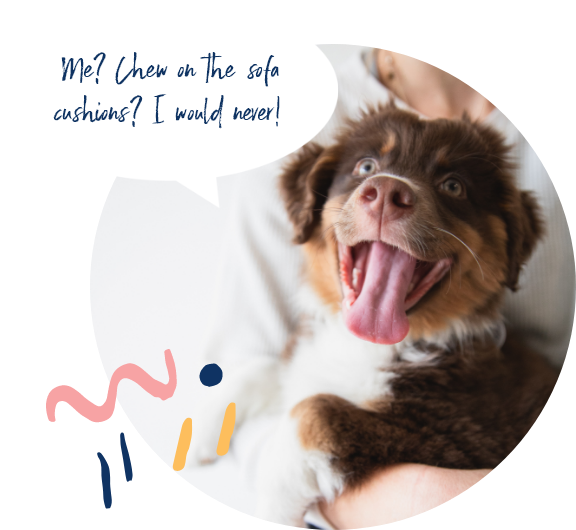
Your puppy is smart, curious, and has the attention span of a gnat. If you don't give them something constructive to do with their brain, they'll find something, and it'll usually be your shoes, your couch cushions, or the skirting boards.
Chew toys, puzzle feeders, treat balls, Kongs, Lickimats, snuffle mats, you'll cycle through a lot of these in the first year because puppy teeth destroy most things in under a week. Budget around $500 and rotate a small collection of durable toys to get more life out of them. You don't need twenty toys at once. You need five good ones swapped regularly so they stay interesting.
Management tools you didn't know you'd need
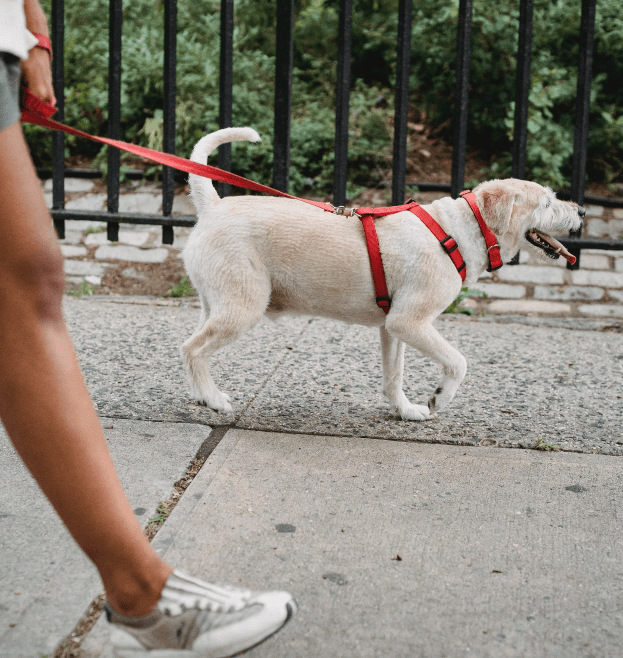
Crates, baby gates, exercise pens, car harnesses, long lines, the list of "stuff I didn't think I'd buy" grows fast. These aren't luxuries. They're the things that keep your puppy safe, prevent them from rehearsing bad habits when you can't supervise, and save your furniture in the process.
Budget $300–$500. For the bigger items, crates, pens, baby gates , check local Facebook groups first. People sell or give away puppy gear constantly. For harnesses, it's worth getting a proper fitting rather than guessing online. A decent harness that fits properly will last years once your dog is fully grown.
The cost nobody Googles: your time
Puppies can't be left alone for long stretches. That's not a rule we invented, it's just how it works. If you're out of the house for eight or nine hours a day, you'll need support: a dog walker, day training, adventure day care, or a combination.
A word on this: be careful with cheap walking services. An inexperienced walker might sound like a bargain until there's a slipped harness, a dog fight, or an accident. The person handling your puppy needs to be competent, qualified, and confident, not just available and affordable. This is one area where cutting costs can end up costing you far more.
The first-year numbers
| Category | Estimated Cost | What It Covers |
|---|---|---|
| Vet care | $1,000–$1,500 | Vaccinations, parasite prevention, check-ups, the unexpected visits |
| Training and behaviour | $500–$3,000 | Group classes through to private programs, depends on your dog's needs |
| Enrichment and toys | Up to $500 | Chew toys, puzzle feeders, durable enrichment items |
| Management tools | $300–$500 | Crate, baby gates, pens, harness, car restraint |
| Lifestyle support | $50–$150/week | Walkers, day training, or day care depending on your schedule |
| Food and basics | $800–$1,200 | Quality puppy food, treats, bowls, bedding |
| Total (first year) | $3,000–$7,000+ |
Why this matters
When costs escalate fast
One of our clients, referred through a veterinary behaviourist here in Sydney, had a German Shepherd puppy with pica (compulsive eating of non-food items). This pup was swallowing rocks. By six months old, he'd already been through three surgeries. That's potentially $10,000–$15,000+ in emergency vet bills before the dog was even old enough for adolescent training.
That's an extreme case. But it's a real one, and it's exactly why pet insurance with behavioural cover matters.
These numbers aren't meant to put you off. They're meant to help you plan. The families we work with across Sydney, from the Inner West to the Eastern Suburbs to the Shire, who struggle aren't the ones who spend the money. They're the ones who didn't know it was coming and end up making reactive decisions under pressure. A puppy you've planned for is a puppy you can enjoy.
And if you're reading this before you've brought a pup home - good. You're already doing better than most. If you've already got the puppy and some of this is hitting close to home, that's okay too. Better to know now and adjust than to keep being surprised.