

Your dog is one of a kind. So is your plan.
Your dog has their own way of being in the world. Their breed, their learning history, your home, and the small daily things they live with all shape it. A plan that ignores that isn't built to last.
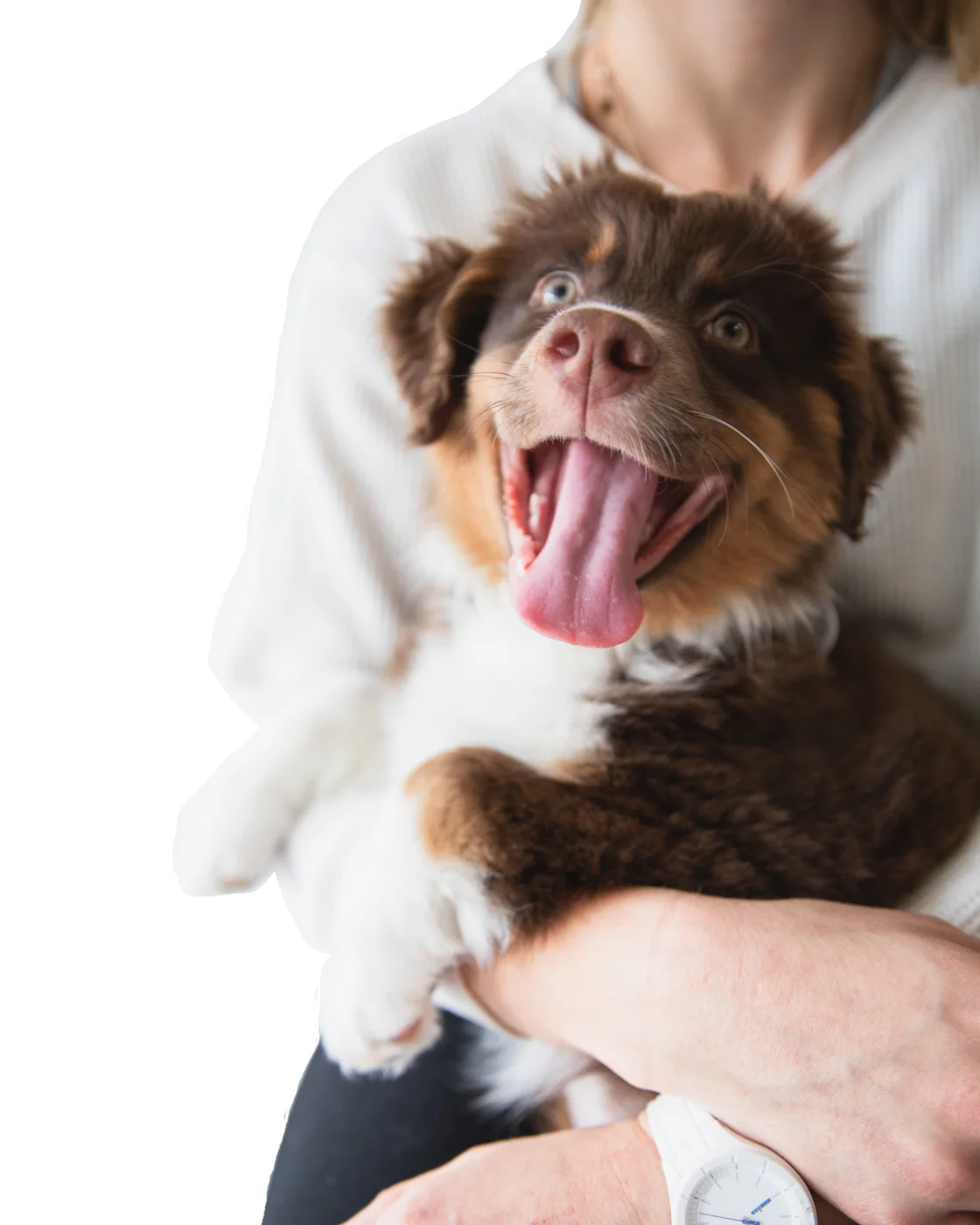
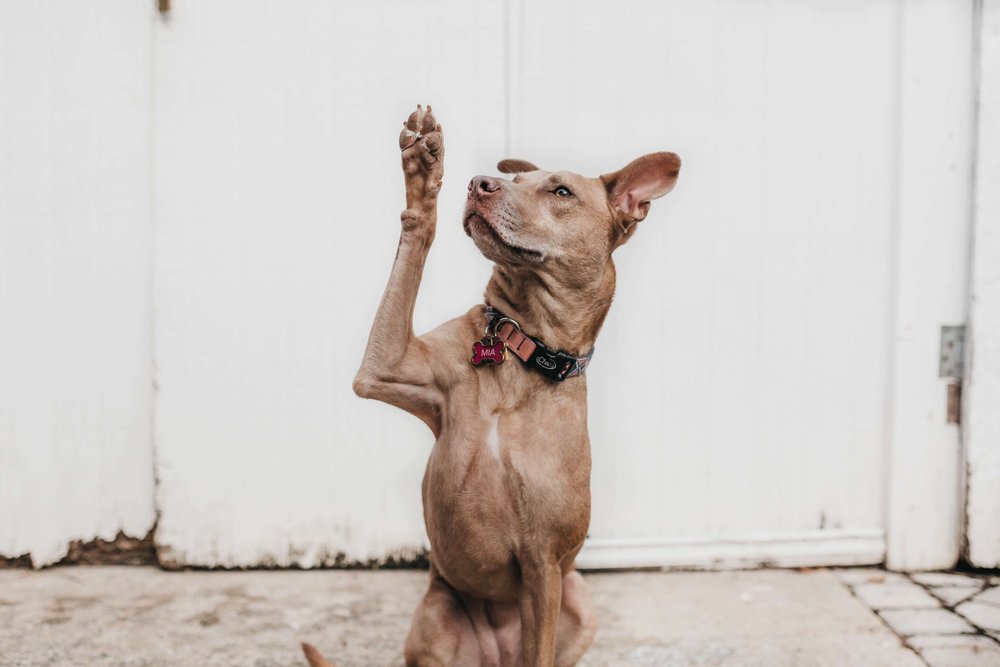

Your dog's behaviour is telling a story. We start by listening.
Two dog trainers in the Inner West can watch the same dog lunge at the same bin and still give you two completely different training plans. Both skip the one thing that actually matters: why your dog is doing it.
That's where we start. Before a single exercise, we take the time to understand your dog.
We go through their history and the small signals that tell us whether we're looking at pain, fear, boredom, or the environment they live in. The plan you get is built from those answers, which is why it looks different from the last plan that didn't work.
This is how we make sure we're working on the reason your dog behaves the way they do, and start real behaviour change instead of muting the symptom for a week.
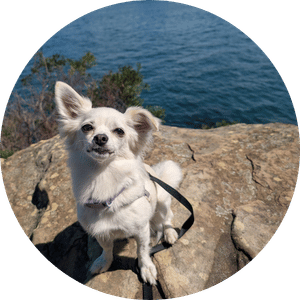
"People keep telling me that I've got a different dog."
Marianne at Pet Professor has helped so much with my rescue Chihuahua! Our weekly sessions have helped him build up so much confidence that he can now socialise with other small to medium dogs (he couldn't walk past one without lunging before) & his recall is also improving so much that we can go off lead in big spaces like parks and beaches. People keep telling me that I've got a different dog :)
Rebecca & Mr T
Every plan works across three pillars
Management
Reshape the environment
The setup around your dog is the first thing we change, so they stop rehearsing the behaviour every single day. Think of it as the fence at the top of the hill, not the ambulance at the bottom.
Enrichment
Meet their needs
A walk and a chew toy don't cover everything your dog needs. We work out which needs are going unmet and build realistic ways to meet them into your existing routine.
Training
Build new skills
We build the skills and the calm your dog is missing, taught through games rather than drills. Real skills for your life, not a generic obedience syllabus nobody uses past week two.
Sometimes the behaviour problem is a health problem.
A Sydney family called me after their Lagotto bit their child. They'd panicked, driven him back to the breeder in Adelaide, then spent the week regretting it. He wasn't aggressive. He had a badly infected ear, sore enough to make a normally patient dog snap.
Once his vet treated it and we put some management and routine health checks in place, he came home and everyone settled.
That's why a health check sits inside the plan, not off to the side. Pain, gut, sleep, thyroid: any of them can look exactly like a training problem. We rule them out before we train, because working a dog through pain doesn't work and isn't fair.

Real change is physiology, not a party trick.
Quick wins, week one
We change the environment first, so your dog stops rehearsing the behaviour. Most people notice something shift in the first week, even if it's small.
Skills start to build
Over the first few weeks we layer in the training your dog is missing, taught as games. This is where the calmer response starts to form.
It becomes the default
We're building a new emotional response over a well-practised old one, rep by rep. This is the part that takes time, because a nervous system learns at its own pace.
You keep going without me
The program has a clear finish line. You leave able to read your dog and handle new situations yourself, so the change holds after we stop.
Some dogs take longer, especially when the behaviour has been rehearsed for years. After I've met your dog you'll get a straight read on the likely timeframe, not a vague "it depends". The program doesn't stretch out forever, we focus on giving you and your dog the skills to keep improving.
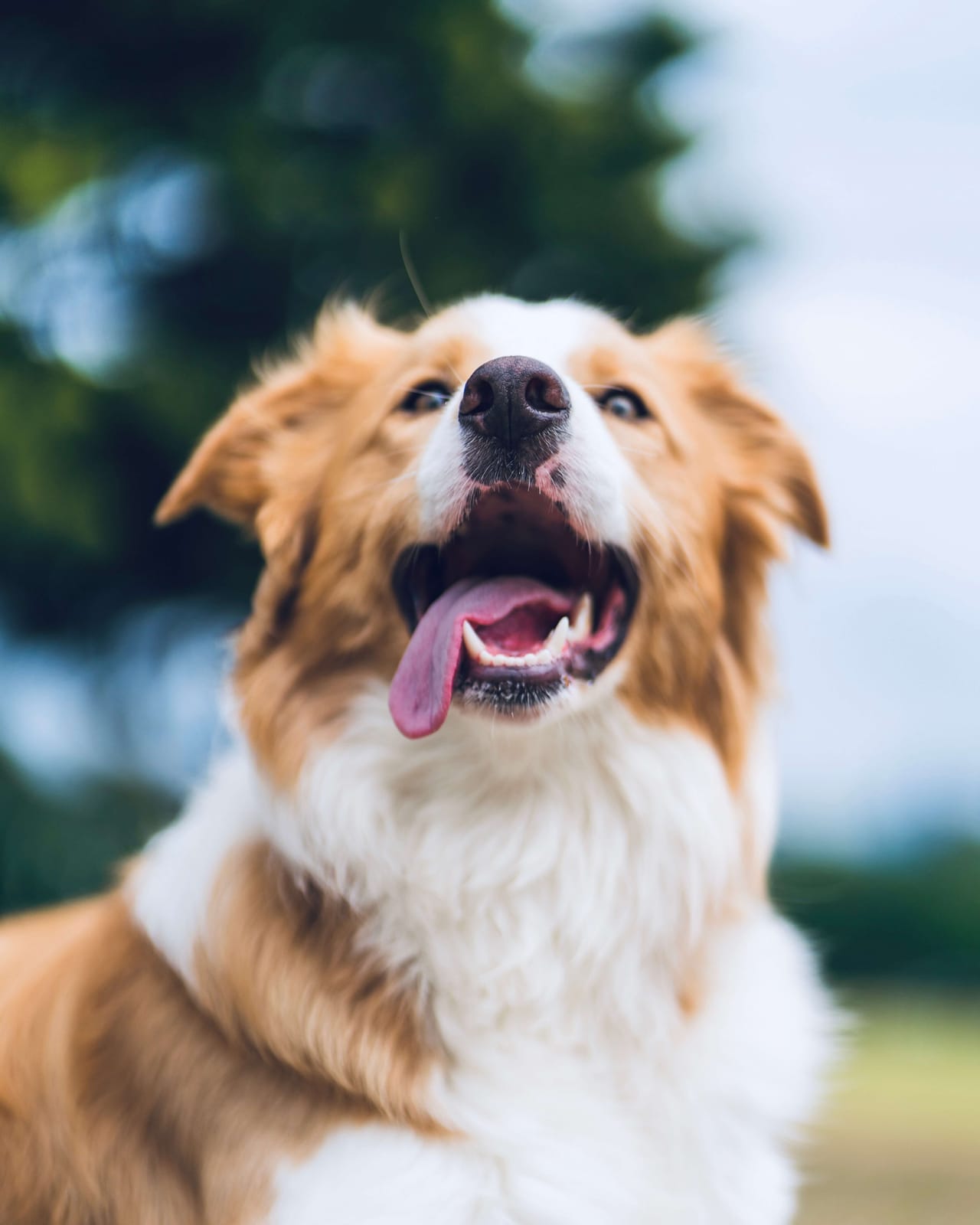
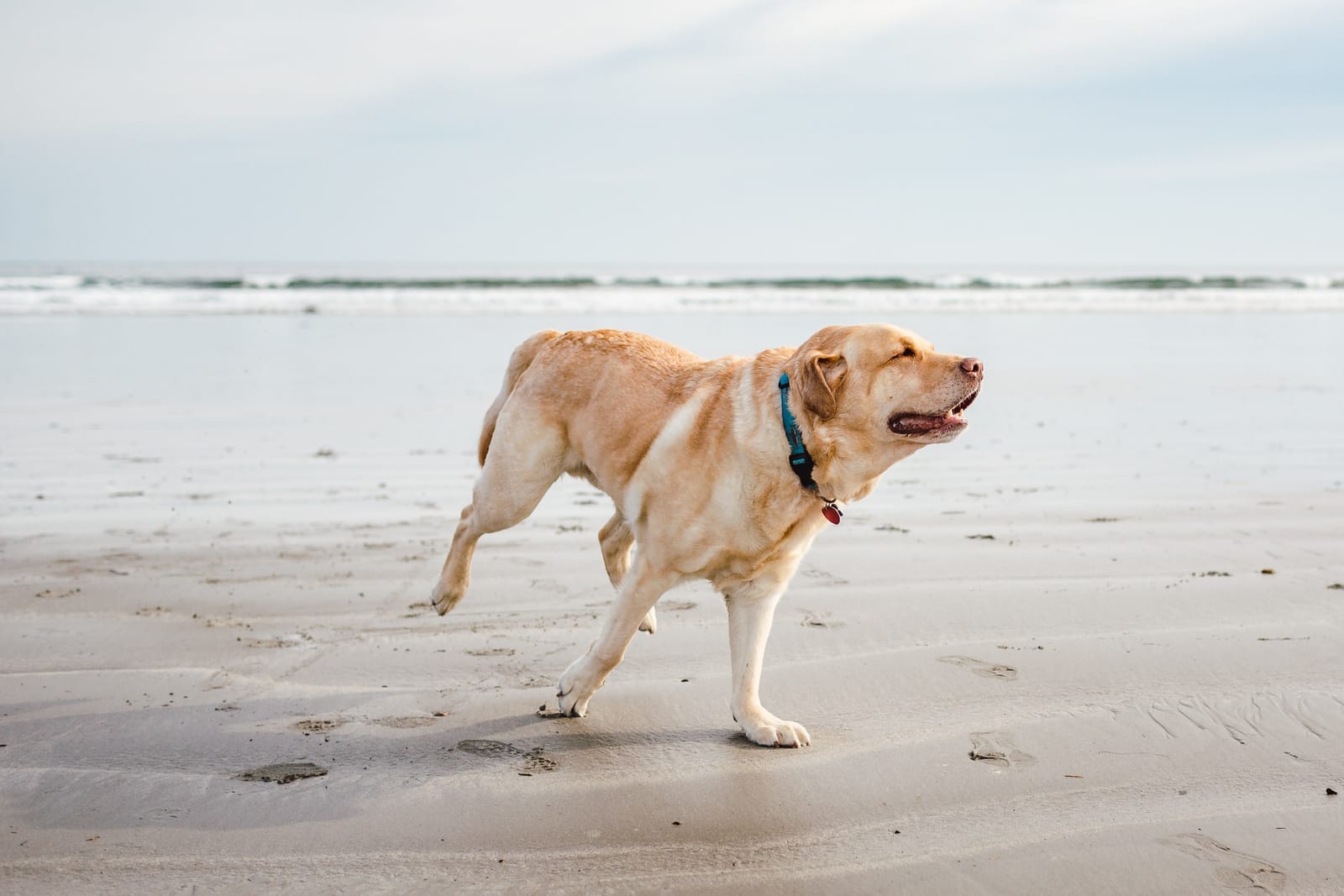


What it looks like in your living room.
You won't hear us name the frameworks in front of your dog. Here's what your session actually looks like.
Health first
We start with health, not tricks. Your vet's notes, your dog's sleep, gut, joints. Behaviour lives where bodies do, so we rule pain out before we train.
Get to know your dog
Breed, age, history, environment, who else is in the house. We watch how your dog actually responds, so the plan is built for this dog, not a type.
Three-part plan
What you change at home, what you add for your dog, and what we teach next. The exercises are games-based and pattern training from published, force-free methods.
Nothing that suppresses
We work at distances and thresholds your dog can cope with. No tools that punish, no collars that shock, no shouting. Ever.


"My dog had fear aggression and was very reactive towards other dogs."
"I reached out to Marianne as my dog had fear aggression and was very reactive towards other dogs. Through the training, my dog has shown so much improvement and is less reactive. I now have the tools and tips to prevent reactive behaviour and also understand the individual needs of my dog, to help her feel safe and confident around other dogs leading to less reactive behaviour. This training has been so valuable and informative, I can't thank Marianne enough! :)"
Monique & Arna
The fast fix is the expensive one.
A dog that goes quiet looks like a dog that has been fixed. It usually hasn't. Here is what the shortcuts actually cost your dog, and what we do instead.
The barking stops today. The fear underneath does not, and now your dog is braced for the next correction. It comes back, usually worse.
A dog that is shut down can look calm. Shutting a dog down is not the same as helping it feel safe, and the problem returns the moment the pressure lifts.
We change how your dog feels, not just what they show you. Slower to start, and it holds, because nothing we use takes away your dog's choices. No prong, no choke, no shock. Ever.
Not sure which path your dog actually needs? Our quiz points you to the right program in a couple of minutes.
Find your programOur behaviour training breakdown
Fair warning: most clients don't need to read this part to get through their training program with us. But for full transparency, or if you're a vet who wants to know more before referring to us, here's exactly how we work on our cases. The same process, applied across five frameworks.
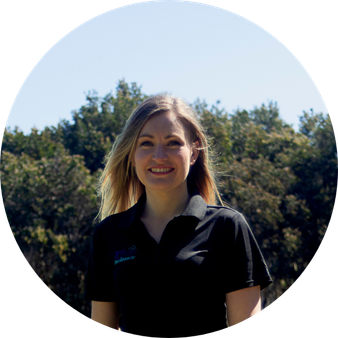
Marianne Dawson
Behaviour Trainer & Founder, Pet Professor
Cert IV Companion Animal Services
Force-free, evidence-based, games-based training for dogs and cats across Sydney since 2018.
About Marianne