

When your dog can't cope. And neither can you.
For dogs stuck in fear, frustration, or reactivity on walks, at home, around visitors, with noises, or all of the above.

Your dog isn't "bad." Your dog is stuck.
The lunging, barking, freezing or cowering. Reactivity looks different in every dog, but those big reactions can be their way of saying, "I can't cope with that."
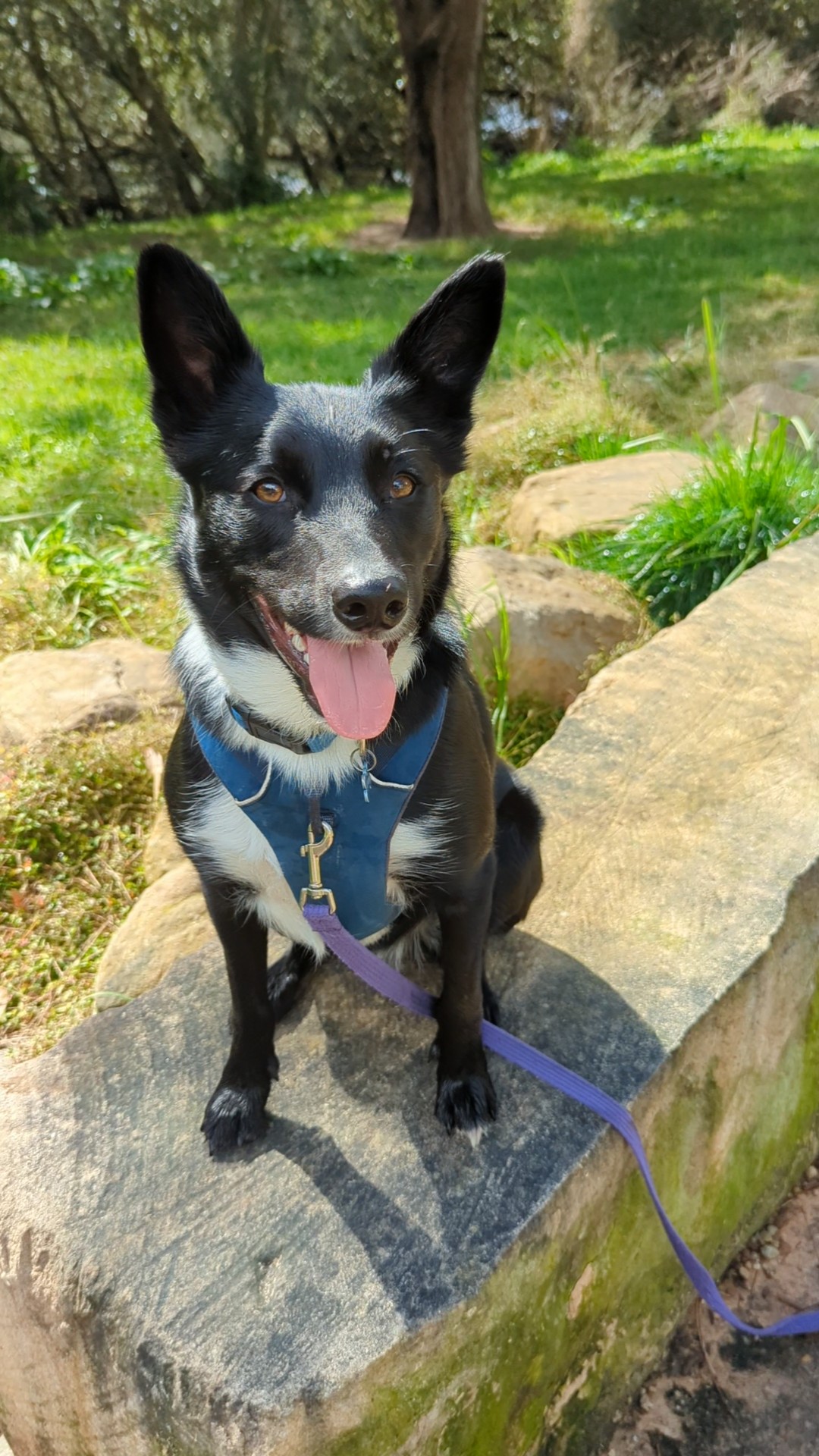
Take Slim for example, a Border Collie x Kelpie who'd decided buses were the new sheep. Every passing bus had him lunging on the lead, trying to round up public transport. His owner Serena said walks had become a chore, and she could no longer walk him with her other reactive dog.
When the same reaction plays out again and again, the pattern gets harder to shift. Meanwhile, you're crossing the street, avoiding visitors or walking at odd hours, just trying to get through the day without another incident. It's exhausting for both of you.
Our Reactive Dog Training program works with what's driving the reaction, not just the reaction itself, to help your dog cope and make everyday life feel more manageable for you both.
Sounds
Familiar?
"My dog had fear aggression and was very reactive towards other dogs."
I reached out to Marianne as my dog had fear aggression and was very reactive towards other dogs. Through the training, my dog has shown so much improvement and is less reactive. I now have the tools and tips to prevent reactive behaviour and also understand the individual needs of my dog, to help her feel safe and confident around other dogs leading to less reactive behaviour. This training has been so valuable and informative, I can't thank Marianne enough! :)
Monique & Arna
We don't start with training.
Most reactivity programs jump straight to training. That approach often fails, because it skips ahead and bypasses crucial steps — understanding the reason behind the behaviour and your dog's ability to learn.
Our program is designed to make lasting change. We know that dogs that have practised reactivity behaviours for some time will also need time to learn new skills.
You should never feel out of your depth or unsure of how to help your dog. Our aim is to give you the understanding and support you need to feel more confident when your dog is struggling.
If your case needs more than training, we coordinate with vet behaviourists through our Patient Referral pathway.
How it works
Complete your M.E.T. Assessment
In our initial 2-hour session, we explore your dog's triggers, routine and health history to understand what's driving the behaviour. We identify any concerns to check with your vet, and you leave with a management plan to start using that day.
Rebuild Foundations
By implementing a management strategy first, we help reduce rehearsal of your dog's behaviour, giving us the time to begin actively trying to change it. This means we can build skills: engagement, check-ins, calmness, disengagement at a distance where your dog can still think. Between sessions you can submit videos for review to help you reach the goals needed before our next session.
Progressing Skills
Over our next few sessions, we continue to work on advancing the skills both you and your dog have been working on, and when they are ready, begin to reintroduce the triggers, working with your dog's new skills to transfer them into the behaviour instead of them falling back into old habits. We work with the Reactivity Zones Approach (RZA).
The path to success
By the time your program begins to wind up, you are feeling more skilled than ever, your dog has coping strategies, patterns and concepts that help them navigate their triggers, and you both feel more confident in the real world.



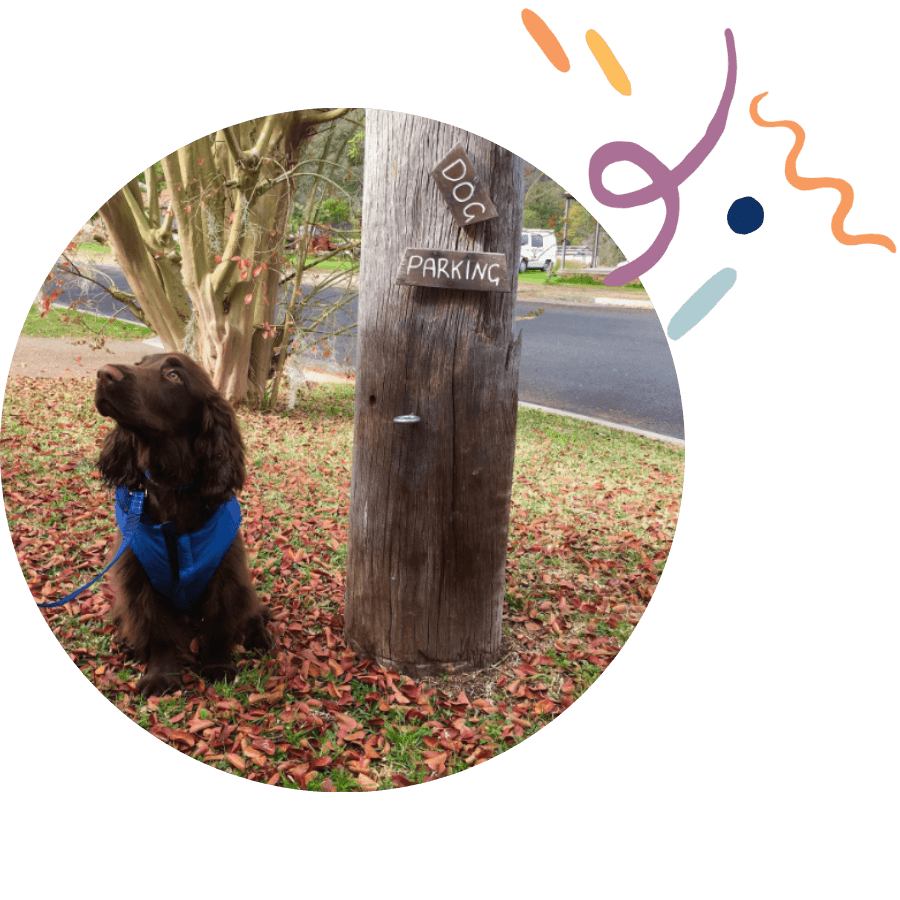
"Pet Professor have done an amazing job with our 3 year old spaniel."
"Pet Professor have done an amazing job with our 3 year old spaniel. Marianne makes training comfortable for both owners & dogs, working with us to ensure our boy is happy and kicking some bad habits. We would rate 6 stars if we could."
Kath & Hunter

We train BOTH ends of the leash
Most reactivity programs focus only on training the dog and leave out some very important skills. Your ability to read body language and your decisions on the lead are half the equation. From session 1, we work on five handler skills in parallel with the dog's training.
Mechanical: Lead handling, body positioning, equipment use. Where your body is positioned matters more than what you say.
Observational: Reading your dog's body language before the big reaction, not after. Catching the closed mouth and the stiff gait before the lunge.
Decision-making: Knowing whether you're in a training moment or a management moment. The single most under-taught skill in dog training.
Communication: Clear cues, consistent responses. Getting everyone in the household on the same page.
Emotional regulation: Managing your own stress response so you can think clearly when your dog is losing it. This one changes everything.
By week 12, you won't just have a dog with better skills. You'll be a handler who can read a situation, make a call, and execute it without freezing.
Reactive Dog Training isn't the right fit if...
Your dog has a serious bite history to humans
That needs a vet behaviourist before any training program. You can still chat with me to work out best next steps and I can help you find someone to work with before you start with us.
Get in touchSudden behaviour change, no vet check
We always check health first, before training second. Pain is one of the most common drivers of reactive behaviour and it gets missed constantly. If there's any chance something physical is going on, we highly recommend seeing your vet first.
The problem is skill-based, not fear-based
Pulling, jumping, recall, puppy biting. If your dog isn't reacting out of fear or frustration but just hasn't learned the skills yet, that's Dog Training. Different problems, different program. The quiz will sort this for you if you're not sure.
Take the quizYou want a group class for your reactive dog
Group classes are for sociable dogs who can handle that environment. Putting a reactive dog in a group class is setting them up to fail. Starting with private training can bridge the gap and set them up for success around other dogs later.
Pricing
In-home
I come to you. Check your postcode to see your price.
Your exact price depends on your postcode.
At our venue
4 Australia Street, Camperdown
Sessions at our Inner West venue, same 12-week program.
Online
Zoom or FaceTime, Australia-wide
Same program, same support, delivered by video. Works for most reactivity cases.
Includes: M.E.T. Assessment (session 1) + up to 7 follow-up sessions + between-session video feedback + custom plan
EFT, Afterpay, Zip, PayPal Pay in 4 available. The price shown is the total you pay.
Questions people actually ask
- Most reactivity programs are either a generic desensitisation protocol applied the same way to every dog, or a series of private lessons with no structure and no defined endpoint. This is a 12-week program with customised defined goals based on your needs, milestone-based progression through the course so we're not guessing. Handler skills training that most programs skip entirely. And if your case needs it, clinical coordination with your vet that most trainers don't offer.
- Reactivity is an emotional response. Your dog is reacting to something that feels threatening or overwhelming. Aggression is a behaviour that can be part of reactivity, but calling a reactive dog "aggressive" misnames the problem and usually leads to the wrong training approach. We work with the emotional state driving the behaviour, not just the behaviour you can see.
- No. Dogs can learn new responses at any age. The timeline and the expectations might look different for a dog who's been practising reactivity for five years versus five months, and I'll be upfront about that at the M.E.T. Assessment. But "too late" isn't a thing in the evidence base.
- A free 30-minute phone conversation for complex cases, or if you're not sure which program suits. I recommend completing the quiz on our website first. It will give you an idea whether you need Reactive Dog Training or Dog Training, or if another style of training might be a better fit. It takes into consideration suspected pain, bite history, or multiple overlapping behaviour problems so we can complete a Scoping Call before you commit. It's a triage conversation because sometimes the outcome is "you need a vet behaviourist, not me." We can then talk about support options or next best steps.
- Yes. Online works well for many reactivity cases, especially the assessment, coaching, and handler support components. Some cases benefit from at least one in-person session in the trigger environment so I can see what's happening in real time. We'll work that out together.
- Some reactivity cases don't hold to a neat calendar, especially if pain, health, or household capacity might slow the work down. If you need support after the 12 weeks, you can book extension sessions or add email and phone support. Some clients come back 6 or 12 months later for a refresh because something new has popped up. That's normal.
Real dogs, real progress
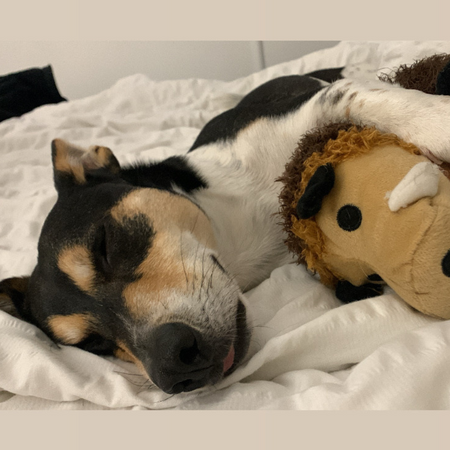
Rescue dog Gregg was on his 4th home when his new mum reached out to help with his barking and lunging at strangers.
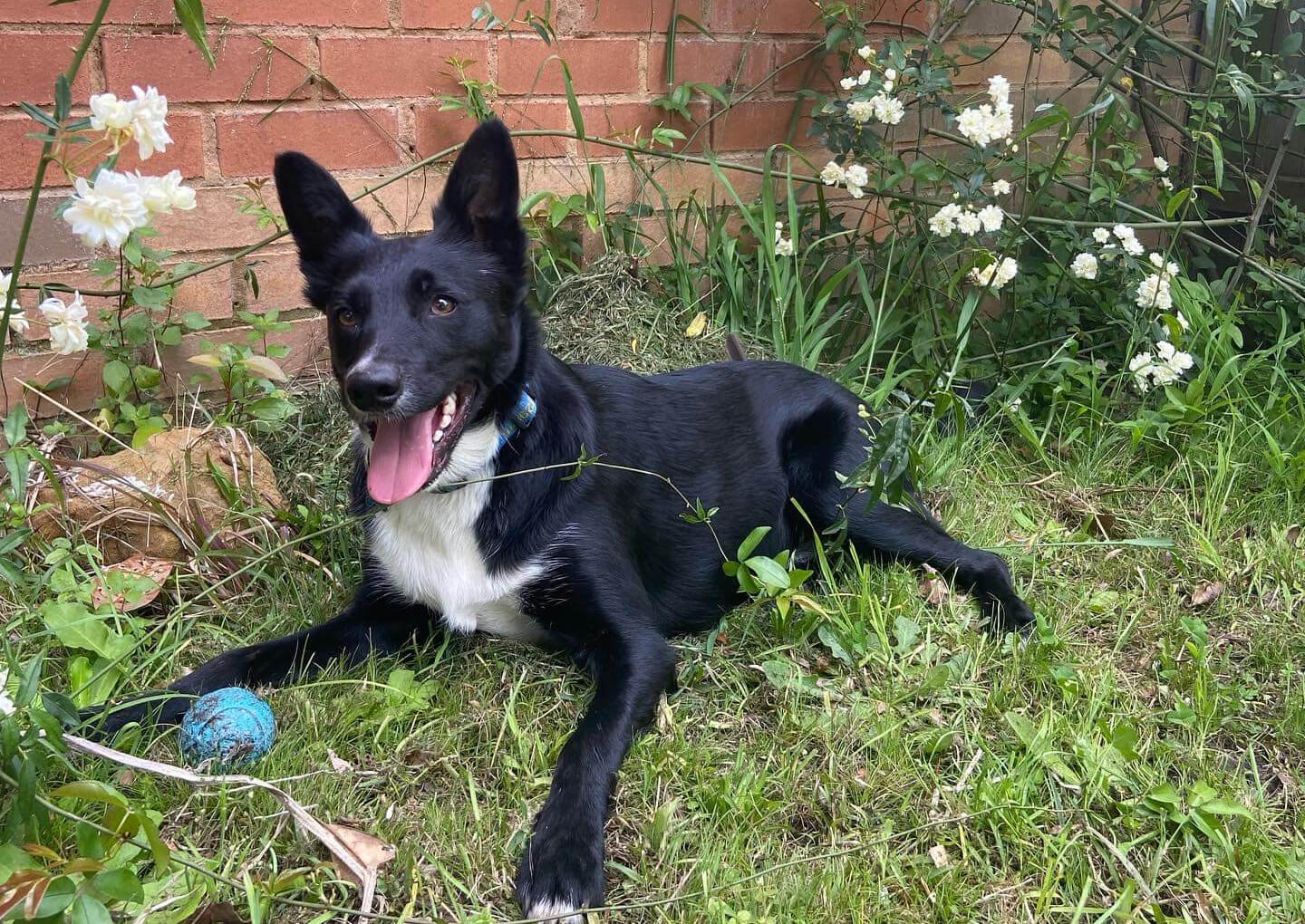
Slim, a Border Collie x Kelpie, had decided buses were sheep. Every walk was a battle. His owner Serena couldn't walk both dogs together anymore.
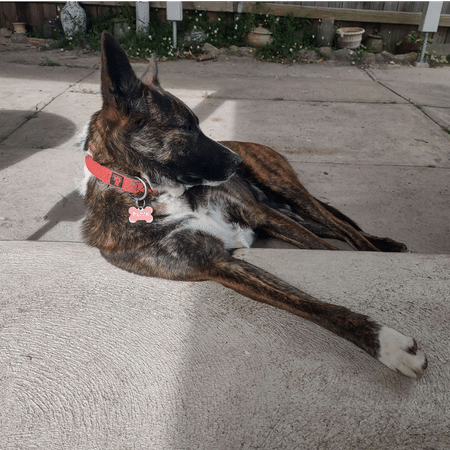
Patchy was fearful and reactive when mum Anna first contacted us. We couldn't even look at her during our initial consultation.

Marianne Dawson
Behaviour Trainer & Founder, Pet Professor
Cert IV Companion Animal Services
Force-free, evidence-based, games-based training for dogs and cats across Sydney since 2018.
About Marianne